Thinking about selling your Bartlett home soon? In today’s market, the homes that shine online and show well in person get more attention and stronger offers. As of early 2026, major portals show Bartlett single-family values in the low to mid $300Ks, and days on market can vary. With a focused plan, you can launch confidently and avoid costly delays. This guide walks you through a simple 2 to 4 week prep plan, key Tennessee disclosures, Bartlett permits and taxes, and the marketing that moves the needle. Let’s dive in.
Bartlett snapshot: price and pace
- As of January 2026, most data sources place Bartlett single-family values in the low to mid $300Ks, and homes are generally selling close to list price.
- Days on market range by source and method of tracking. Expect variation between “days to pending” and “days on market.”
- The takeaway: get a comparative market analysis from your listing broker and work with a range, not a single number. Your CMA should reflect current local comps and condition.
Your 2 to 4 week market-ready plan
Week 1: Rapid triage and a clear plan
- Walkthrough with your managing broker to set a target price range, timeline, and budget. Identify safety issues and create a prioritized punch list.
- Decide whether to order a pre-list home inspection. A seller inspection can surface issues on your timeline, reduce post-offer renegotiation, and clarify repair versus credit decisions. It is optional but can be strategic. Review the pros and cons in this overview on how a pre-listing inspection can matter. Remember: anything discovered creates a disclosure obligation.
- Map out your next two weeks: declutter, deep clean, minor fixes, and paint touch-ups.
Week 1 to 2: Low-cost, high-impact fixes
- Declutter and depersonalize. Aim to remove roughly 50 to 70 percent of visible personal items where feasible. Deep clean carpets, windows, kitchens, and baths. NAR’s staging research highlights decluttering and cleaning as the top pre-list tasks agents recommend. See the summary on why staging is paramount as homes linger longer.
- Refresh paint in key rooms with neutral tones. Spot-repair scuffs and dated colors, especially in living areas and the primary bedroom.
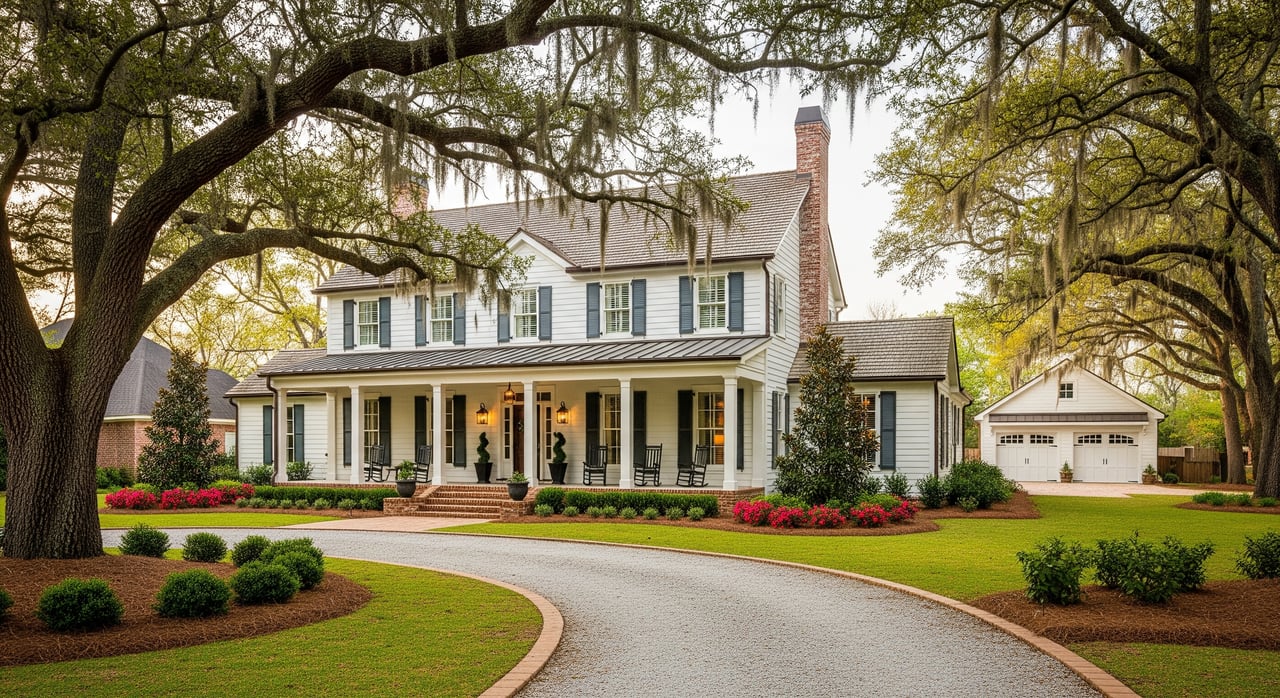
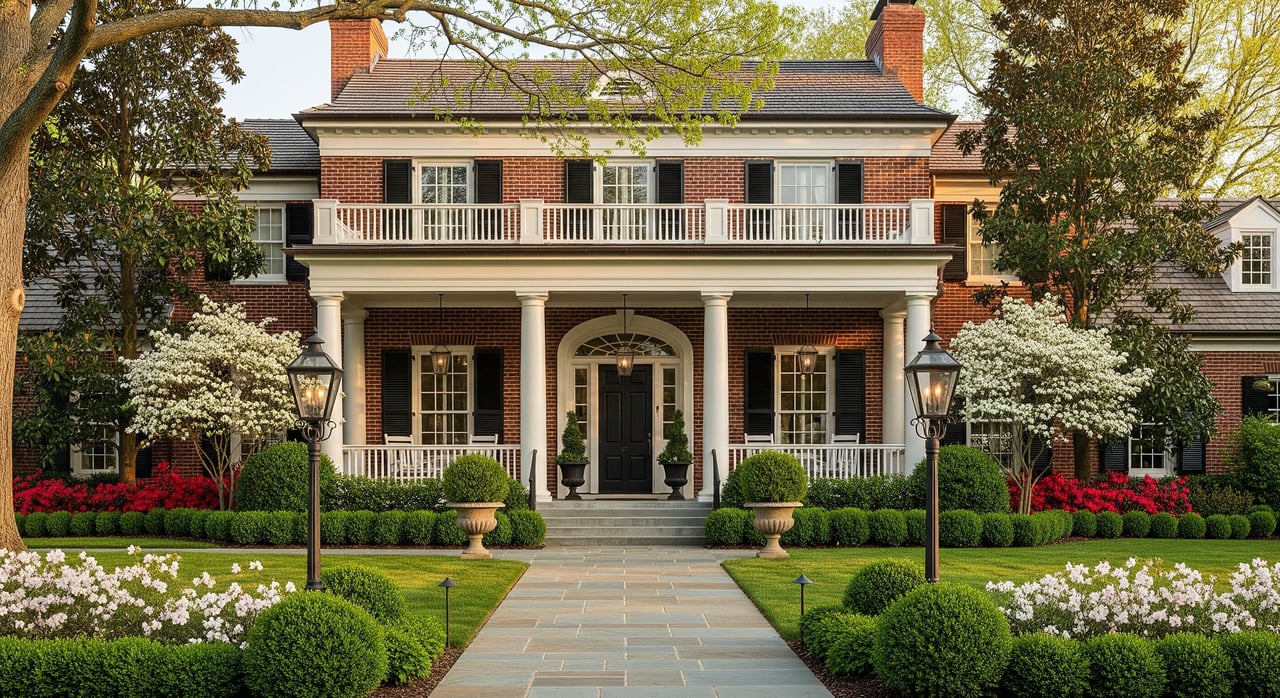
- Curb appeal counts: mow and edge, pressure wash the walk and driveway, trim beds, refresh mulch, and clean or repaint the front door. Update bulbs and exterior fixtures as needed.
- Tackle minor repairs: fix leaks, replace broken tiles, tighten railings, repair door hardware, and ensure smoke and CO detectors function properly.
Week 2 to 3: Stage and capture the home
- Staging plan: full, partial, agent-assisted, or virtual. Staging helps buyers visualize spaces and can shorten time on market. Prioritize the living room, kitchen, and primary suite if budget is tight. For cost ranges and practical tips, review this staging cost and value overview.
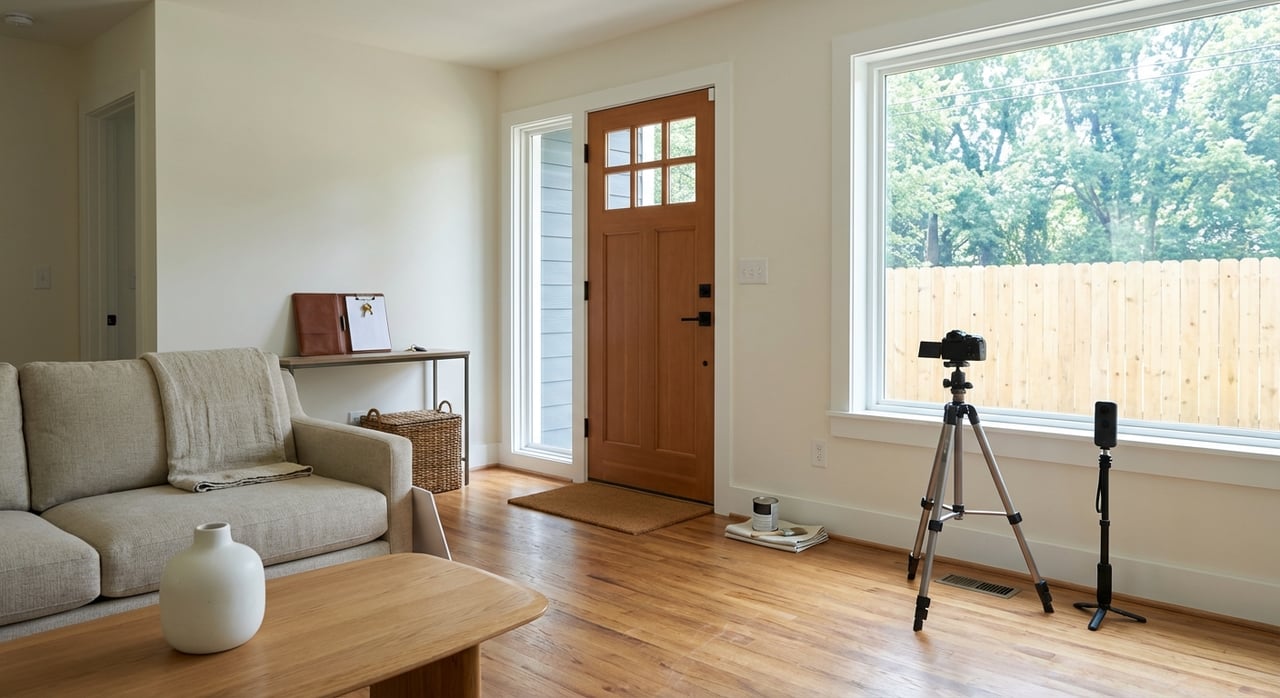
- Professional photography and 3D tour: schedule after staging and cleaning are done. Ask for 20 to 30 interior photos, a twilight exterior if curb appeal is a strength, a floor plan, and a 3D or virtual tour. Online-first buyers rely heavily on visuals and floor plans when deciding to book a showing.
Final 2 to 7 days: Paperwork, polish, and launch
- Complete Tennessee seller disclosures and gather permits and receipts for recent work. If you ordered a pre-list inspection, decide what to disclose and repair.
- Do a final “showing ready” sweep: lights on, thermostat set, fresh scent, secure valuables, remove personal photos, and make a plan for pets during showings.
- Confirm MLS input, marketing timelines, open house dates, and showing instructions with your broker. Approve your photo set and listing remarks before go-live.
What you must disclose in Tennessee
Tennessee’s Residential Property Disclosure Act requires most sellers of 1 to 4 unit residential properties to provide a written property condition disclosure before a binding sales contract. There are exemptions for certain transfers. Review the statute for specifics in the Tennessee Residential Property Disclosure Act.
Your quick disclosure checklist:
- Provide a completed property condition disclosure form to the buyer before contract.
- Disclose known material defects and past or current issues.
- Update the disclosure if conditions change before closing.
- For homes built before 1978, provide the required lead-based paint information.
- Ask your broker for the current state form and consult a real estate attorney for borderline cases or unusual circumstances.
Bartlett permits and code: what to check
If you are planning repairs or updates before listing, confirm whether a permit is required. The City of Bartlett typically requires permits for building alterations, fences, pools, detached structures, decks, siding, and trade work like electrical, plumbing, and mechanical. You can find guidance and process details in the City of Bartlett Code Enforcement FAQ.
Tips for smooth prep:
- Verify past permits for recent improvements and keep receipts handy for buyers.
- Plan inspection timing around your listing date since permit inspections can affect your schedule.
- If you need help, your managing broker can coordinate with vendors and confirm permit requirements. Code Enforcement can also be reached at 901-385-6425.
Property taxes: timing and prorations
Local property taxes affect your holding costs and your closing statement. In Bartlett, taxes are due December 1 and become delinquent March 1. Review current rates and deadlines on the City of Bartlett Tax Department page. Bring your latest tax bill to your listing and closing teams so they can estimate prorations correctly.
Upgrades that pay back at resale
When you are selling soon, prioritize projects with strong resale value rather than major renovations. Use the Remodeling Magazine Cost vs Value report to benchmark payback. Nationally, projects that often deliver stronger returns include:
- New garage door or steel entry door for curb appeal and function.
- Minor kitchen refreshes such as hardware, lighting, paint, and counters.
- Wood deck additions or repairs to extend living space.
High-cost, luxury remodels tend to recoup a smaller share of their expense and are best for long-term enjoyment. Always weigh your choices against current Bartlett comps and the price band you aim to reach.
Marketing assets that move the needle
Strong listing presentation is essential when homes take weeks to sell. According to industry research, professional photos and staged presentation matter to buyers and their agents. See NAR’s take on why staging helps homes that linger.
Must-have assets:
- High-quality interior and exterior photography with a compelling first image.
- Accurate floor plan so buyers grasp layout and flow.
- 3D or virtual tour to widen reach and pre-qualify showings.
Premium add-ons to consider:
- Twilight exterior image for a standout hero shot.
- Drone imagery for large lots or scenic surroundings.
- Short video walkthroughs for social media.
- Neighborhood highlight sheets noting parks, commute options, and nearby amenities in neutral, factual language.
How your managing broker keeps it moving
A hands-on managing broker can save you time and help you avoid missteps. Here is how coordination typically works:
- Set strategy: pricing range, launch date, and budget for prep.
- Vendor lineup: handyman, stager, photographer, inspector, and specialty trades as needed. Your broker should verify permits and receipts for recent work.
- Pre-list inspection support: if you choose to order one, your broker helps review findings, decide on repairs versus credits, and update your disclosures as needed. See more on why a pre-list inspection can help.
- Marketing buildout: schedule photos, floor plan, and 3D tour, then approve final assets before uploading to the MLS.
- Launch and escrow: coordinate showings, open houses, repair requests, and final walk-through and closing logistics.
Quick seller checklist
- Get a CMA and agree on a pricing range.
- Decide on a pre-list inspection.
- Declutter, deep clean, and make minor repairs.
- Refresh neutral paint where needed.
- Set a staging plan and budget for priority rooms.
- Schedule pro photos, floor plan, and a 3D tour.
- Complete Tennessee disclosures and gather permit records.
- Confirm tax prorations and your closing timeline.
- Approve the MLS listing and marketing schedule.
Ready to put a polished, market-ready home in front of the right buyers? Partner with a managing broker who blends local know-how with premium marketing. If you want a clear plan, vendor coordination, and strong presentation from day one, connect with Charlene Bailey to get started.
FAQs
Do I need a pre-list home inspection in Tennessee?
- It is not required, but a seller inspection can uncover issues on your timeline, reduce surprise renegotiations, and help you decide on repairs versus credits, and anything found must be disclosed; see this overview of pre-listing inspection benefits.
What are Tennessee home seller disclosure rules?
- Most 1 to 4 unit residential sellers must deliver a property condition disclosure before a binding contract, update it if conditions change, and provide lead-based paint info for pre-1978 homes; review the Tennessee Residential Property Disclosure Act.
Do I need permits for pre-list repairs in Bartlett?
- Many common projects such as building alterations, fences, decks, pools, siding, and trade work require permits and inspections; confirm requirements in the City of Bartlett Code Enforcement FAQ.
Does staging really help sell a Bartlett home faster?
- Industry surveys indicate staging helps buyers visualize the space and can shorten time on market in slower conditions, with partial staging of living room, kitchen, and primary suite often delivering the best value; see NAR’s staging research summary.
Which pre-listing upgrades usually offer the best ROI?
- Projects that often lead the pack nationally include a new garage door or steel entry door, minor kitchen refreshes, and a wood deck addition or repair; benchmark choices with the Cost vs Value report.